Last updated: August 21, 2026
Table of Contents
- What “Stucco Over Brick” Really Means
- The Biggest Factors That Affect Lifespan
- 1) Moisture management (the #1 factor)
- 2) Prep and adhesion (what happens before the first coat goes on)
- 3) Movement, cracking, and control joints
- 4) Climate and sun exposure in the Pasadena / Greater LA area
- How to Tell If Your Stucco Over Brick Is Aging Normally (or Failing Early)
- How to Make Stucco Over Brick Last as Long as Possible
- So… What’s the Real Answer?
Stucco over brick is a popular way to modernize an older masonry exterior, smooth out uneven surfaces, and add a fresh, clean finish—without tearing the wall down. The big question homeowners ask (especially here in Southern California): how long will it actually last?
In most real-world cases, stucco applied over brick can last roughly 30–50 years or longer when it’s installed correctly and maintained. That range isn’t a “guarantee,” though—because the lifespan depends heavily on how it’s installed, how the wall manages moisture, and how quickly small issues are repaired.
Stucco Contractor Pro (Stucco Contractor Pro) is based in Pasadena and provides stucco application and repair across Pasadena and nearby areas like Burbank, Glendale, Eagle Rock, and South Pasadena, with a licensed team and a defined repair/application process. With that local context in mind, here’s what actually determines how long stucco over brick lasts—and how to help it reach the high end of its lifespan.
What “Stucco Over Brick” Really Means
Brick is strong, but it’s not automatically an ideal surface for stucco unless it’s prepped correctly. A proper stucco-over-brick system typically includes:
- Surface preparation (cleaning, evaluating the brick and mortar condition)
- Bonding method (often a bonding agent and/or lath system depending on the wall and condition)
- Scratch/base coats that build thickness and strength
- Finish coat that delivers the final texture and look
- Sealants and coatings that help manage moisture and weathering
The reason this matters: stucco doesn’t “last” based on the finish coat alone. It lasts when the entire assembly stays bonded, stable, and dry where it needs to be dry.
The Biggest Factors That Affect Lifespan
1) Moisture management (the #1 factor)
Brick and mortar can hold and move moisture. Stucco is also a cement-based material that can absorb water. The system must be designed so moisture doesn’t get trapped behind the stucco. The Portland Cement Association covers how cement plaster behaves over masonry and why the bond matters more than the finish coat.
Common moisture trouble spots include:
- Missing or failed sealant around windows/doors
- Poor flashing at rooflines, chimneys, and transitions
- Cracks that allow water intrusion
- Stucco applied over brick that wasn’t properly cleaned or prepped
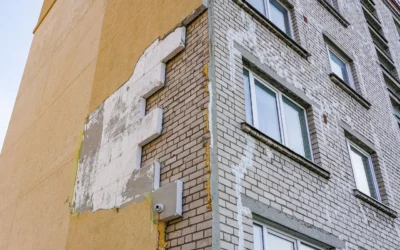
If water gets behind the stucco and can’t escape, you’ll see bubbling, staining, soft spots, or delamination over time—often long before the 30–50 year mark.
2) Prep and adhesion (what happens before the first coat goes on)
A long-lasting stucco job is mostly built in the prep:
- Removing paint, efflorescence, dust, and loose mortar
- Fixing failing joints or damaged bricks
- Choosing the right bonding approach for that specific wall
Skipping prep is one of the fastest ways to shorten the life of stucco over brick.
3) Movement, cracking, and control joints
Brick walls can shift slightly over decades. Temperature swings, settling, and minor seismic activity can all contribute to movement. Stucco is rigid—so it needs proper detailing to handle stress.
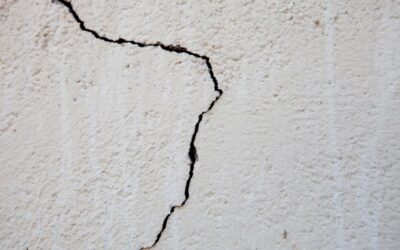
Hairline cracking is common and not always a failure, but cracks that widen, branch, or repeat in the same areas usually mean movement or moisture is involved and should be addressed quickly.
4) Climate and sun exposure in the Pasadena / Greater LA area
Pasadena and surrounding neighborhoods get strong sun, warm summers, and seasonal rain. That combination typically favors stucco if it’s maintained—because stucco performs well in warmer, drier climates, but UV and heat can still age coatings and sealants.
Stucco Contractor Pro specifically notes they consider local conditions when recommending solutions that last (not just quick fixes).
How to Tell If Your Stucco Over Brick Is Aging Normally (or Failing Early)
Normal aging may include:
- Minor hairline cracks
- Slight fading of the finish or paint/coating
- Small areas that need touch-ups over time
Warning signs that can shorten lifespan fast:
- “Hollow” sound when tapping (possible delamination)
- Stains that return after cleaning (often moisture-related)
- Soft, crumbling areas near the bottom of walls
- Cracks that keep reopening after patching
- Interior wall signs: musty smell, damp drywall, or discoloration near exterior walls
If you catch these early, you can often extend the life significantly with targeted repair rather than full replacement. Catching them early means knowing what a stucco inspection covers.
How to Make Stucco Over Brick Last as Long as Possible
Here’s a practical maintenance approach that helps many homeowners reach the high end of the lifespan range:
- Inspect twice a year (before and after the rainy season)
- Seal small cracks early (don’t wait for them to widen)
- Keep sealant joints maintained around windows, doors, and penetrations
- Manage sprinklers and landscaping so walls aren’t constantly getting soaked
- Recoat or repaint when needed (especially on high-sun exposures)
If you’re not sure what you’re seeing, a contractor who does stucco repair daily can tell you whether it’s cosmetic, normal aging, or an early moisture problem. There is also a practical schedule for how often to inspect, rather than waiting for something to look wrong.
Stucco Contractor Pro describes a straightforward process that starts with an on-site evaluation and then prep, application/repair, and a final walkthrough—exactly the kind of structure that helps avoid premature failure.
So… What’s the Real Answer?
Stucco over brick commonly lasts 30–50 years or more when it’s properly installed, moisture is managed, and repairs are handled early. If it’s failing sooner than that, it’s usually because of trapped moisture, poor prep/adhesion, or repeated cracking that wasn’t addressed at the source.
If your home is in Pasadena or nearby areas like Burbank, Glendale, Eagle Rock, or South Pasadena, and you want a professional opinion on how your stucco is holding up (or whether stucco over brick is a good option for your exterior), Stucco Contractor Pro / Stucco Contractor Pro offers stucco application and repair and serves those local neighborhoods. For homeowners planning a project, our team also provides stucco repair and installation in Pasadena. Reach out for a free on-site estimate.

Bryan Peralta is the Owner and CEO of Modern Builders, a Southern California contractor specializing in stucco remediation, waterproofing, and building envelope restoration. With years of experience helping homeowners and commercial property owners protect their properties, Bryan is known for delivering high-quality craftsmanship and long-lasting solutions. Through Modern Builders, he shares expert insights on stucco repair, waterproofing, and exterior building maintenance.