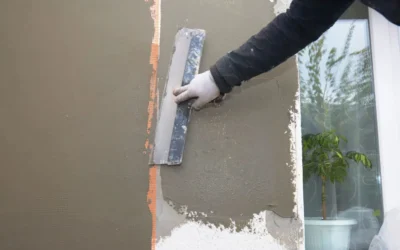
Stucco is popular across Pasadena and surrounding neighborhoods because it looks great, handles heat well, and can last for decades when it’s installed and maintained properly. But stucco isn’t “set it and forget it.” Small cracks, failed sealant, or moisture intrusion can quietly turn into expensive repairs if they’re ignored.
Modern Builders (Stucco Contractor Pro) provides stucco application and repair services in Pasadena and nearby areas, and their repair scope includes common issues homeowners should watch for—crack and chip repair, moisture infiltration/water damage repair, rebonding/patching, stain/discoloration correction, and texture matching.
So how often should you actually inspect stucco?
A good rule is to follow a two-layer approach:
- Quick homeowner checks every year (and after major weather events)
- Professional inspections on a regular cycle to catch hidden problems early
Below is a clear schedule you can follow—especially if you’re in the Pasadena area where sun exposure, seasonal rain, and older housing stock can all influence stucco performance.
The Recommended Stucco Inspection Schedule
1) Do a visual inspection at least once per year
Most maintenance guidance for stucco starts with an annual walk-around. The goal is to spot early warning signs—before water gets behind the wall or cracks expand.
When to do it:
- Once per year (many homeowners choose spring or early fall)
- Also after an unusually heavy storm cycle or noticeable exterior damage
Why annual checks matter:
Annual inspections are frequently recommended because stucco can look “fine” from the street while small defects develop around vulnerable transitions (windows, doors, rooflines, and penetrations).
2) Schedule a professional stucco inspection every 18–24 months to 3 years (typical homes)
A trained inspector (or experienced stucco contractor) can spot issues a homeowner might miss—especially around flashing details and areas where moisture can enter.
One inspection firm recommends stucco/EIFS inspections every 18–24 months as part of periodic maintenance.
Other industry guidance often lands in the 1–3 year range depending on conditions and the wall system.
A practical takeaway:
- If your stucco has been problem-free and your home is relatively newer: every 2–3 years is a solid baseline.
- If your home is older, has had prior repairs, or has complex details: lean toward every 18–24 months.
3) Plan a more comprehensive review every 3–5 years (or sooner if you see symptoms)
Many “big” stucco failures start as small, repeatable issues: a crack that keeps returning, staining that spreads, or patches that don’t hold. Some guidance recommends more comprehensive inspections in the 3–5 year range to identify defects that aren’t obvious during quick checks.
This is especially relevant when you have:
- Repeated cracking
- Discoloration that comes back after cleaning/painting
- Areas that have been patched before
- Any history of water intrusion
Modern Builders’ repair services specifically call out water damage/moisture infiltration repair and rebonding/patching—both of which can be overlooked if inspections are too infrequent.
What to Look for During Your Annual Walk-Around
You don’t need specialized tools for a basic inspection—just time, good lighting, and a careful eye.
Visual signs to check:
- Hairline cracks (note location and length—track if they grow)
- Wider cracks or cracks that form patterns (especially around openings)
- Bulging, bubbling, or “soft” areas (possible loss of bond or moisture behind)
- Stains or discoloration that weren’t there before
- Failed sealant/caulk at windows, doors, hose bibs, vents, and light fixtures
- Previous patch areas (look for edges lifting, color mismatch, or new cracking)
Pay special attention to “transition zones” where water management matters:
- Roof-to-wall connections
- Window and door perimeters
- Deck ledgers, patio covers, and attachment points
- Any penetrations through the stucco
Pasadena Factors That Can Change the Frequency
Pasadena’s climate and housing styles can make inspection timing more important:
- Sun + heat cycles: Expansion and contraction can slowly open up cracks over time.
- Seasonal rain: Even short wet periods matter if water finds a path behind the finish.
- Older homes and remodels: Many Pasadena homes have multiple repair layers, additions, or retrofits where transitions need extra attention.
If you’re in an area with older stucco, complex architecture, or heavy shade (which slows drying after rain), you’ll generally benefit from more frequent professional checks.
When to Inspect Immediately (Don’t Wait for Your Annual Date)
Even if you just inspected last month, do another check if you notice:
- A crack that suddenly widens or spreads
- New interior staining near exterior walls
- Bubbling paint or damp smells indoors
- A section that sounds hollow, feels soft, or shows bulging
- A recent impact (ladder damage, fallen branch, construction work)
In these cases, prompt evaluation can prevent moisture from spreading inside the wall assembly.
What a Professional Stucco Contractor Can Do That DIY Inspections Can’t
A professional assessment isn’t just “looking closer.” It’s knowing what defects mean and how to fix them correctly.
Modern Builders describes a process that includes:
- On-site evaluation
- Surface preparation
- Professional application/repair
- Texture matching
- Final walkthrough
That matters because stucco issues often require more than a surface patch—especially when moisture intrusion or loss of bond is involved.
The Bottom Line
For most Pasadena-area homes, a smart maintenance rhythm looks like this:
- Homeowner visual inspection: once per year
- Professional inspection: every 18–24 months to 3 years
- More thorough review: every 3–5 years, or sooner if symptoms appear
If you’re seeing cracks, staining, or signs of moisture, don’t guess—especially since Modern Builders handles exactly these common failure types (cracks/chips, moisture infiltration, rebonding/patching, discoloration, and texture matching).
If you want, send me your next blog topic and I’ll keep the same tone, Pasadena-local focus, and “no assumptions” approach based on what the Modern Builders site actually offers.