Last updated: August 20, 2026
Table of Contents
- Two-Coat vs. Three-Coat Systems
- The Function of Each Stucco Layer
- Proportions and Mixes for Each Coat
- The Importance of Proper Layering
- Stucco Repair Services From Stucco Contractor Pro
- How Thick Is Each Coat of Stucco?
- Cure Time Between Coats
- Two-Coat vs. Three-Coat, and When Each Is Used
- Common Problems With Each Coat
- Frequently Asked Questions
Stucco application typically involves layering several coats of plaster, each serving a distinct purpose in the system’s structure and appearance. The most common methods for stucco application include two or three coats, depending on the underlying surface and intended finish.
Two-Coat vs. Three-Coat Systems
A three-coat system includes two base layers and one finish coat, whereas the two-coat system features a single base coat and a finish coat. The choice of system is based on the substrate—three coats are typically used for lath installations, while two coats are applied directly to masonry or concrete surfaces. Where insulation matters as much as the finish, an exterior insulation system sits over the substrate instead, which is a different decision from choosing between two and three coats.
The Function of Each Stucco Layer
The initial layer, known as the scratch coat, is essential for embedding the metal lath (a mesh that reinforces the stucco) and provides a solid base for the next coat. Its name comes from the technique used in its application—horizontal scratches are made across the surface, creating a “key” to secure the subsequent layer.
The brown coat is then applied over the scratch coat. This layer smooths the surface and creates a more even foundation for the finish coat. It plays a critical role in ensuring that the final coat adheres properly and provides a smooth, level finish.
The finish coat is the thinnest layer and serves primarily as a decorative finish. This coat is typically applied in a finer texture and adds the desired aesthetic quality to the stucco. Its hardness is designed to resist abrasion and other surface damage, providing a durable and visually appealing exterior.
Proportions and Mixes for Each Coat
Each layer of stucco—scratch, brown, and finish—requires a specific mix of materials. These proportions can vary, but they are generally measured by volume. Contractors have some flexibility in adjusting the mix to best suit the materials and conditions they are working with.
The scratch coat typically contains a mix that minimizes shrinkage, creating a solid base. The brown coat often has a higher sand content, which reduces shrinkage further and strengthens the base layer. The finish coat mix is designed to provide a smooth, hard surface resistant to wear and tear.
The Importance of Proper Layering
The multiple layers of stucco serve not only to enhance the aesthetic appearance but also to improve the durability and stability of the structure. Proper application of each coat ensures that the stucco adheres securely and performs well over time, whether protecting a building from the elements or simply providing a fresh look.
Stucco Repair Services From Stucco Contractor Pro
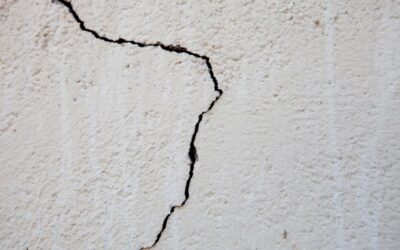
For homeowners experiencing cracked stucco, Stucco Contractor Pro offers reliable repair services. Cracks in stucco can sometimes be a sign of underlying issues, such as foundation movement. If you’re unsure about the cause of the cracks, our expert team can conduct a thorough inspection to determine whether foundation problems are at play and provide you with peace of mind. Where the damage runs past patching, replacing the stucco is a bigger job than it looks from the outside, and worth understanding before you commit to it.
Reach out to Stucco Contractor Pro for a comprehensive inspection and expert stucco repairs. Our team is ready to assist you with both stucco installation and repair needs. For homeowners planning a project, our team also provides stucco repair and installation in Pasadena. Reach out for a free on-site estimate. Conventional stucco assemblies are governed by ASTM C926, the standard specification for the application of portland cement-based plaster.
How Thick Is Each Coat of Stucco?
Total stucco thickness matters as much as the number of coats. For a standard three-coat application over metal lath, the industry target is about 7/8 inch total: roughly 3/8 inch for the scratch coat, 3/8 inch for the brown coat, and 1/8 inch for the finish coat. A two-coat application over concrete or masonry is thinner overall, usually around 1/2 inch, because there is no lath to embed and the solid substrate does the job the scratch coat would otherwise do.
Thickness is not just a number on a spec sheet. Too thin and the stucco cracks and loses impact resistance; too thick and it is prone to sagging and slow, uneven curing. This is one of the clearest differences between a professional application and a rushed one.
Cure Time Between Coats
Each coat needs time to cure before the next goes on, and skipping that wait is one of the most common causes of stucco failure. The scratch coat typically needs 24 to 48 hours before the brown coat is applied. The brown coat needs significantly longer, often 7 to 10 days, so it can shrink and cure fully before the finish coat locks everything in. Applying the finish coat over a brown coat that has not cured traps ongoing shrinkage behind a hard surface, which shows up later as hairline cracking across the wall.
Moist curing, lightly dampening the wall during the cure, helps the cement hydrate properly in dry Southern California conditions and produces a stronger, less crack-prone result.
Two-Coat vs. Three-Coat, and When Each Is Used
The choice is driven by the substrate, not by preference. A three-coat system is standard over open framing with metal lath and a weather-resistant barrier, which describes most wood-framed homes. The scratch coat keys into the lath, the brown coat builds a flat plane, and the finish coat provides color and texture.
A two-coat system is used over solid substrates that do not need lath, such as concrete block, poured concrete, or certain masonry. The base coat bonds directly to the wall and a finish coat completes it. Two-coat is not a shortcut version of three-coat; it is the correct method for a different kind of wall. Using two coats where three are required is a genuine defect, not a cost saving.
Common Problems With Each Coat
A few failure points explain most stucco problems. When the scratch coat is not properly keyed, the brown coat does not bond and the system can delaminate. When the brown coat is out of plane, that unevenness telegraphs through the thin finish coat, leaving visible waves and shadows in raking light. And when the finish coat is applied too soon, the base is still shrinking underneath, which is the single most common cause of hairline cracking. Understanding these points is also how you evaluate a repair quote: a contractor who talks about cure times and plane is describing the work that actually lasts.
Frequently Asked Questions
How thick is stucco in total?
A standard three-coat application is about 7/8 inch thick over lath. A two-coat application over masonry is thinner, usually around 1/2 inch.
How long between the brown coat and the finish coat?
Typically 7 to 10 days, so the brown coat can shrink and cure fully before the finish coat is applied. Rushing this step is a leading cause of cracking.
What is the difference between the scratch coat and the brown coat?
The scratch coat is the first layer that keys into the lath and grips the wall. The brown coat goes over it to build a flat, even plane for the finish coat.
Can you skip a coat to save money?
Not on a lath system. Three coats over lath is the correct method; using fewer is a defect that shows up as cracking and bonding failure, not a saving.

Bryan Peralta is the Owner and CEO of Modern Builders, a Southern California contractor specializing in stucco remediation, waterproofing, and building envelope restoration. With years of experience helping homeowners and commercial property owners protect their properties, Bryan is known for delivering high-quality craftsmanship and long-lasting solutions. Through Modern Builders, he shares expert insights on stucco repair, waterproofing, and exterior building maintenance.