Last updated: August 20, 2026
Table of Contents
- What “Replacing Stucco” Actually Means
- Why Stucco Replacement Can Be Challenging
- 1) Finding the real cause of failure
- 2) Managing moisture correctly
- 3) Matching texture and finish (especially on older homes)
- 4) The project is messy and labor-heavy
- 5) Timing and curing
- Signs It Might Be Time to Replace Instead of Repair
- What the Stucco Replacement Process Usually Looks Like
- So, Is It “Hard”?
- The Smart Next Step for Pasadena-Area Homeowners
Replacing stucco can be hard—but mostly because it isn’t just “scrape and recoat.” A proper re-stucco job involves demo decisions, moisture management, lath/water-resistive barriers, flashing details, and finish matching. When it’s done right, new stucco can dramatically improve curb appeal and durability. When it’s rushed or layered over problems, it can lead to cracking, bubbling, or moisture damage behind the walls.
For homeowners in Pasadena and the greater Los Angeles area (including nearby communities like San Marino and Sierra Madre), stucco replacement is common on older homes and remodels—especially when the existing exterior has widespread cracking, delamination (“hollow” areas), or recurring water intrusion that patching no longer solves. Stucco Contractor Pro (Stucco Contractor Pro) specifically offers stucco installation, repair, and restoration in this region, including targeted repairs like crack/chip repair, moisture infiltration repair, rebonding/patching, and stain/discoloration removal, which are often the first step before deciding if replacement is necessary.
What “Replacing Stucco” Actually Means
A lot of people picture stucco replacement as one job. In reality, you’re usually choosing between three levels:
- Spot repair + texture blending (best when damage is limited and the substrate is sound)
- Re-stucco over an existing surface (only when the old stucco is stable and moisture issues are addressed)
- Full removal and replacement (needed when the system is failing or the wall assembly needs correction)
The “hard” part comes from figuring out which level your home needs—and making sure the wall assembly is protected so the new finish lasts.
Why Stucco Replacement Can Be Challenging
1) Finding the real cause of failure
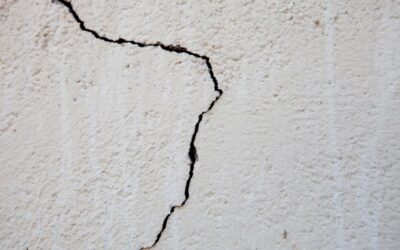
Cracks and staining aren’t always the main issue—they’re often symptoms. Common root causes include building movement, poor original installation, and water getting behind the stucco at transitions (windows, doors, rooflines). Stucco Contractor Pro notes that repair should start by diagnosing the cause (like moisture infiltration or settling) before applying a solution—this matters because replacing stucco without fixing the cause can lead to repeat problems.
2) Managing moisture correctly
Stucco is durable, but it’s not “waterproof.” The layers behind it—water-resistive barrier, flashing, and weep details—do a lot of heavy lifting. If moisture is trapped behind the wall, replacing stucco becomes more complex because you may need partial removal to inspect and correct the assembly, not just the surface. On a wood-framed house those layers matter even more, which is what stucco on a frame really describes.
3) Matching texture and finish (especially on older homes)
If you replace only part of a wall, you’ll want it to look seamless. Texture matching is an art—smooth finishes, sand finishes, swirl patterns, and custom blends can be difficult to replicate. Stucco Contractor Pro highlights texture and finish selection as a key part of the process, and they call out texture/color matching and restoration work in their service-area pages.
4) The project is messy and labor-heavy
Full stucco removal creates debris and requires careful protection of landscaping, windows, and entryways. It also adds steps like disposal, inspection, and rebuild of the wall layers before the finish coats even start. Work at that scale usually triggers inspection, so check the permit requirements for stucco before you schedule.
5) Timing and curing
Stucco is applied in layers (commonly scratch coat, brown coat, finish coat). Each layer has its own timing and conditions. Temperature swings and exposure can affect work scheduling—especially on sun-exposed elevations typical in Southern California.
Signs It Might Be Time to Replace Instead of Repair
Stucco repairs are often the smarter choice when the damage is localized. But replacement becomes more likely when you see:
- Multiple long cracks across multiple walls
- Recurring water stains or bubbling paint near stucco areas
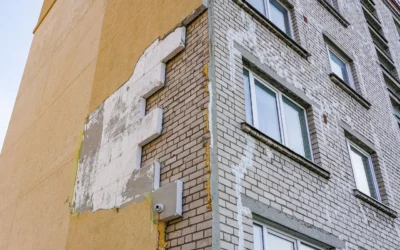
- Hollow-sounding sections when tapped (possible delamination)
- Widespread patchwork from years of small fixes
- Crumbling edges around windows/doors or at the base of walls
If you’re not sure, a contractor who does both repair and full installation is helpful—because they can recommend the right level of work instead of pushing a one-size-fits-all solution. Stucco Contractor Pro positions their stucco work as spanning both new application and detailed repair, which is exactly what you want for an honest replacement-vs-repair call.
What the Stucco Replacement Process Usually Looks Like
While every home is different, a quality stucco replacement project typically follows a path like this:
- Site evaluation
- Identify cracks, delamination, stain patterns, and likely moisture entry points
- Decide whether this is a repair, overlay, or full replacement scope
- Removal (if required)
- Remove failing stucco and expose the underlying layers
- Inspect sheathing/substrate condition
- Correct the “details”
- Address problem transitions (roof/wall, windows/doors, penetrations)
- Ensure water management components are in place and properly integrated
- Rebuild and apply new stucco
- Install reinforcement/lath as needed
- Apply base coats and finish coat
- Blend texture to match the home’s style
- Cleanup and final walkthrough
- Confirm finish quality and repair blending
- Ensure jobsite is left clean
Stucco Contractor Pro also emphasizes a local, craftsmanship-focused approach and service coverage across Pasadena and surrounding areas—useful when you’re dealing with older housing stock and neighborhood-specific expectations.
So, Is It “Hard”?
It’s hard in the sense that it’s specialized, detail-driven, and unforgiving if done incorrectly. But it’s very manageable when you work with a team that:
- knows when repair is enough (cracks, chips, staining, rebonding/patching)
- knows when replacement is necessary
- can match textures and finishes cleanly
- understands local conditions and expectations in Pasadena and the greater Los Angeles area
The Smart Next Step for Pasadena-Area Homeowners
If you’re seeing recurring cracks or water-related staining, don’t guess between “patch” and “replace.” Start with a proper evaluation to confirm: For homeowners planning a project, our team also provides stucco repair and installation in Pasadena. Reach out for a free on-site estimate. Conventional stucco assemblies are governed by ASTM C926, the standard specification for the application of portland cement-based plaster.
- whether the stucco is still bonded well
- whether moisture is involved
- what scope actually solves the problem long-term
That’s the difference between a stucco project that looks good for a season—and one that holds up for years.

Bryan Peralta is the Owner and CEO of Modern Builders, a Southern California contractor specializing in stucco remediation, waterproofing, and building envelope restoration. With years of experience helping homeowners and commercial property owners protect their properties, Bryan is known for delivering high-quality craftsmanship and long-lasting solutions. Through Modern Builders, he shares expert insights on stucco repair, waterproofing, and exterior building maintenance.