Last updated: August 20, 2026
Table of Contents
- When a Handyman Might Be Okay for Stucco
- When You Should Not Rely on a Handyman
- The Big Risk: “Patch Now, Pay More Later”
- What a Proper Stucco Repair Usually Involves
- Licensing and Insurance: Why It Matters in California
- A Pasadena-Focused Rule of Thumb
- The Safer (and Often Cheaper) Approach: Start With an Evaluation
Stucco is one of the most common exterior finishes across Pasadena and the greater San Gabriel Valley—and for good reason. It’s durable, attractive, and low maintenance when it’s installed and maintained correctly. But when cracks, chips, staining, or water damage show up, many homeowners ask the same question:
Can a handyman do stucco repair—or do I need a stucco contractor?
The honest answer: sometimes a handyman can handle very small, cosmetic stucco touch-ups, but many stucco “repairs” are actually moisture-management problems (or structural movement issues) that need a trained, licensed professional to diagnose and fix properly—especially in areas like Pasadena where sun exposure, seasonal rain, and wind can punish weak patches over time.
Below is a practical way to decide what makes sense for your home.
When a Handyman Might Be Okay for Stucco
A handyman may be appropriate if the repair is truly minor, cosmetic, and low risk—think of it as “surface-only” work.
Examples of handyman-suitable stucco tasks (small scope):
- Filling tiny hairline surface cracks that are clearly non-moving
- Patching a very small chip where the underlying layers are intact
- Minor surface smoothing before paint (when there’s no moisture issue)
- Touch-up painting on previously repaired areas (if the repair is sound)
Even then, the key is matching texture and finish so the patch doesn’t stick out. Texture blending is harder than it looks—especially on older homes where the original finish has weathered. That is the same skill behind our crack and texture repairs across Temple City.
When You Should Not Rely on a Handyman
Stucco problems often show up as “just a crack,” but the real issue can be underneath. In these cases, a patch can hide symptoms temporarily while moisture damage continues behind the wall.
You should call a stucco professional when you see:
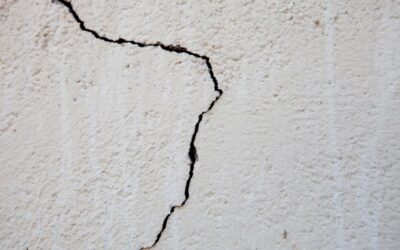
- Cracks that are widening, stair-stepping, or recurring after prior repair
- Soft, bubbling, or stained areas (common signs of moisture infiltration)
- Cracks around windows/doors or rooflines where flashing and water control matter
- Water damage (even small areas), especially if interior drywall/plaster shows staining
- Large patch areas where multiple coats, bonding, and curing steps must be correct
- Any repair that requires removing compromised stucco and rebuilding layers
Stucco Contractor Pro (Stucco Contractor Pro) specifically lists crack/chip repair, water damage and moisture infiltration repair, rebonding/patching, stain/discoloration correction, and texture matching as part of their stucco repair scope—these are exactly the categories where technique and diagnosis matter most.
The Big Risk: “Patch Now, Pay More Later”
A quick handyman patch can be tempting because it feels faster and cheaper. The problem is that stucco is a system, not just a coating. If the repair doesn’t address:
- how moisture is getting in,
- whether the base is compromised,
- whether the patch is bonded and layered properly,
…then the “fix” may crack again, discolor, or trap moisture—leading to bigger repairs later.
That’s why professional crews put so much emphasis on evaluation, preparation, correct application, and final walkthrough—it’s not just a patch; it’s controlling the cause and blending the finish.
What a Proper Stucco Repair Usually Involves
Even for a “small” repair, a quality stucco fix generally follows steps like:
- On-site evaluation to identify the failure type (impact damage vs. movement vs. moisture)
- Surface prep, including removing loose/compromised material so the patch bonds correctly
- Repair/application, using appropriate materials and methods for the existing system
- Texture matching (often the hardest part to make the repair invisible)
- Final inspection/walkthrough, including basic maintenance guidance
This is one reason professional stucco work tends to hold up longer—especially on visible front elevations where a bad match stands out immediately. Our Rosemead stucco finishing team works to the same standard on front elevations.
Licensing and Insurance: Why It Matters in California
Stucco repair can cross the line from “minor cosmetic” into “construction” quickly—especially when removal, rebuilding, water intrusion, or multiple elevations are involved.
Stucco Contractor Pro notes they are licensed and bonded for residential and commercial stucco work, which matters for homeowner protection and project accountability.
If you’re deciding between a handyman and a contractor, a simple rule helps:
- If failure would cause water damage, mold risk, or expensive rework, don’t gamble.
A Pasadena-Focused Rule of Thumb
Because homes in Pasadena and nearby areas deal with intense sun, periodic rain, and seasonal winds, durability matters. Stucco Contractor Pro specifically emphasizes tailoring exterior work to local conditions in Pasadena/Burbank and the surrounding region.
Use this quick decision guide:
- One tiny chip or superficial hairline crack? A handyman might be fine.
- Cracking that returns, staining, soft spots, or anything near rooflines/windows? Call a stucco professional.
The Safer (and Often Cheaper) Approach: Start With an Evaluation
If you’re unsure, the best move is to schedule an on-site assessment before anyone starts patching. A professional can tell you whether you’re looking at a simple cosmetic fix or a repair that needs proper moisture control, layering, and blending.
Stucco Contractor Pro (Stucco Contractor Pro) provides stucco services across Pasadena and nearby communities like Burbank, Glendale, Eagle Rock, South Pasadena, and La Cañada Flintridge—so if you’re in the area, you can get a local team that understands the housing styles and exterior conditions common to the region.
Bottom line:
A handyman can handle a few very small stucco touch-ups. But for anything involving moisture, repeat cracking, large patches, or visible finish matching, a licensed stucco contractor is the smarter call—for both the look of your home and the long-term protection of your walls. For homeowners planning a project, our team also provides stucco repair and installation in Pasadena and stucco work in Pasadena. Reach out for a free on-site estimate. For background on how cement-based finishes behave over time, the Portland Cement Association publishes technical guidance on portland cement plaster.

Bryan Peralta is the Owner and CEO of Modern Builders, a Southern California contractor specializing in stucco remediation, waterproofing, and building envelope restoration. With years of experience helping homeowners and commercial property owners protect their properties, Bryan is known for delivering high-quality craftsmanship and long-lasting solutions. Through Modern Builders, he shares expert insights on stucco repair, waterproofing, and exterior building maintenance.