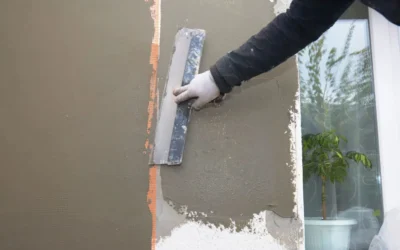
Yes—in many cases you can patch cracked stucco, and a well-done patch can restore both the look and the protective “skin” of the wall. The key is knowing what type of crack you’re dealing with and whether the damage is only cosmetic or a sign of moisture intrusion or movement behind the stucco.
For homeowners in the Pasadena area (and nearby cities like Burbank, Glendale, Eagle Rock, South Pasadena, and La Cañada Flintridge), stucco is common—and so are stucco cracks from sun exposure, seasonal rain, and normal settling over time. Stucco Contractor Pro (Modern Builders) works across these areas and specifically lists crack/chip repair, moisture infiltration repair, rebonding/patching, and texture matching as part of their stucco services.
Below is a practical guide to when patching is appropriate, when it’s not, and what “proper patching” should include so you don’t end up with a quick fix that fails (or looks obvious) a few months later.
First: What Kind of Stucco Crack Is It?
Not all cracks mean the same thing. A good patch starts with the right diagnosis.
Hairline cracks (often patchable)
These are thin, surface-level cracks that may show up from normal curing, minor movement, or weather exposure. They’re often repairable with the right prep and materials—especially when the surrounding stucco is still firmly bonded.
Spiderweb cracking (usually patchable, sometimes a coating issue)
If you see fine “crazing” across a surface, patching may help in targeted areas, but the long-term solution may involve a protective coating system depending on the cause.
Wider cracks, stepped cracks, or recurring cracks (patch with caution)
If a crack keeps reopening, is noticeably wide, or appears in a pattern (like stair-step cracks), patching alone may not solve the real issue. These cracks can indicate movement, poor bonding, or water getting in. In those situations, the best “patch” is often repairing the underlying cause first.
Cracks with staining, bubbling, soft spots, or moldy smells (don’t just patch)
If the crack is accompanied by staining or soft/crumbly areas, treat it as a potential moisture issue. Stucco Contractor Pro specifically calls out water damage and moisture infiltration repair as a common service—because moisture is one of the fastest ways to turn a small crack into a bigger (and costlier) repair.
When Patching Cracked Stucco Makes Sense
Patching is usually a good option when:
- The crack is localized (not spread across large wall areas)
- The surrounding stucco is still solid and well-bonded
- There’s no evidence of active moisture damage
- You want to restore appearance and prevent water entry early
This is also where professional repair can really shine: matching texture and finish. If the patch doesn’t blend, it can stand out every time you pull into the driveway. Modern Builders emphasizes high-precision texture matching and clean finish transitions, including smooth, dash, lace, and custom textures.
When Patching Is NOT Enough
Patching may not be the right solution if:
- Large sections are loose, hollow-sounding, or delaminating
- There’s repeated cracking in the same spot
- Water intrusion is suspected around windows, doors, roofs, or transitions
- The wall needs broader resurfacing or re-stucco for uniform performance/appearance
In those cases, a more comprehensive approach—like rebonding, broader repair, or partial resurfacing—may be more cost-effective long term than chasing cracks with repeated patches. Stucco Contractor Pro lists rebonding and patching of old stucco surfaces as part of the repair scope, which is often what’s needed when bonding is the real problem (not just a surface crack).
What a Proper Stucco Patch Should Include
A durable stucco patch isn’t just “smear and go.” At a high level, a correct repair should include:
1) Inspection and identifying the cause
Professionals start by checking where the crack is and why it formed. Stucco Contractor Pro’s process begins with an on-site evaluation to inspect the stucco, note problem areas, and determine the best approach.
2) Prep work that ensures adhesion
The area typically needs to be cleaned and any compromised stucco removed or stabilized. Their process explicitly includes surface preparation so the repair bonds and performs.
3) The right repair material and method
The patch material and layering should match the existing system as closely as possible. Using the wrong product (or skipping steps) is how you end up with a patch that cracks again or “pops” off.
4) Texture matching (so it doesn’t look patched)
Texture matching is one of the hardest parts to DIY. Their service page highlights texture matching and seamless transitions between old and new areas.
5) Moisture protection details where needed
If the crack is near transitions or exposed areas, it may need sealants or moisture protection. The company lists application of moisture barriers and sealants as part of new stucco work, and also addresses moisture infiltration during repairs—because durability depends heavily on keeping water out of the assembly.
(As a general best practice on stucco systems, details like proper drainage at the base of walls matter—weep screeds are designed to let moisture escape rather than get trapped behind stucco. )
DIY Patch vs. Hiring a Pro in Pasadena-Area Homes
A DIY patch may be reasonable if:
- The crack is small, hairline, and easy to reach
- You’re comfortable with surface prep and finishing
- You don’t mind a repair that may be visible
Hiring a pro is usually the safer choice if:
- The crack is wider, recurring, or near windows/doors
- You see staining or suspect moisture intrusion
- You want the repair to blend cleanly with the existing finish
- The wall needs multiple repairs and a consistent look
Modern Builders positions itself as a family-owned business with 25+ years in construction and highlights a structured process designed to avoid flimsy “patch jobs,” which is exactly what homeowners want when cracks are a symptom—not the whole problem.
A Smart Rule: Patch Early, But Patch Correctly
Cracked stucco is one of those issues where timing matters. Small cracks are easiest to fix early—before water gets in and before the surrounding stucco starts to fail. But patching only works when the repair is done with proper prep, proper bonding, and proper finishing.
If you’re in Pasadena or nearby cities like Burbank, Glendale, Eagle Rock, South Pasadena, or La Cañada Flintridge, and you want the crack repaired in a way that actually blends and holds up, Stucco Contractor Pro notes it has completed many local stucco projects and offers repairs that include crack/chip patching, moisture-related repairs, and texture matching.