Last updated: August 20, 2026
Table of Contents
- When Stucco Repair Makes Sense (and When It Doesn’t)
- Common Stucco Repairs (and What’s Involved)
- 1) Crack repair (hairline to larger cracks)
- 2) Patching chips, holes, and missing stucco
- 3) Water-damaged stucco repair
- What Makes Stucco Repairs “Invisible”: Texture Matching
- A Practical 5-Step Stucco Repair Process (What You Should Expect)
- Repair vs. Replacement: How to Decide Quickly
- Serving Pasadena and Nearby Areas
- Bottom Line
Yes—exterior stucco can often be repaired, and in many cases a well-done repair will blend in so cleanly that you can’t tell where the damage used to be. The key is diagnosing what caused the problem, fixing any underlying issues (especially moisture), and then matching the existing texture and finish with the right materials and application method.
Modern Builders Cali (Stucco Contractor Pro) is based in Pasadena, CA and provides stucco application and repair across Pasadena and nearby communities in the San Gabriel Valley area.
When Stucco Repair Makes Sense (and When It Doesn’t)
Stucco is durable, but it’s not invincible—especially on older homes or buildings with lots of sun exposure, seasonal rain, and shifting. In Southern California, you’ll commonly see:
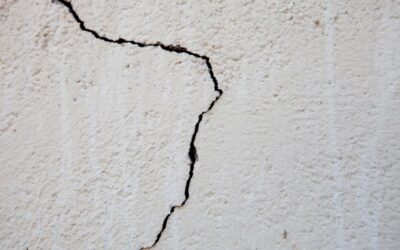
- Hairline cracks (often from normal settling)
- Larger cracks (movement, poor installation, or structural stress)
- Chips and impact damage (ladders, landscaping, kids’ toys, etc.)
- Staining/discoloration (water intrusion, runoff patterns, rust bleed)
- Soft spots, bubbling, or crumbling (typically moisture-related)
A repair is usually the right call when the damage is localized and the surrounding stucco is still solid—think “a few areas,” not “most of the walls.”
A full re-stucco (or larger resurfacing scope) may be smarter if:
- Cracking is widespread across many elevations
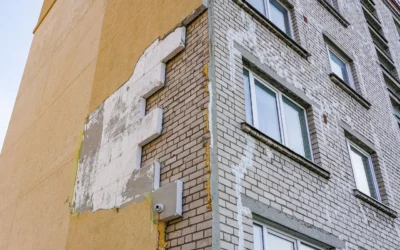
- The existing stucco is delaminating (coming loose) in multiple areas
- Moisture issues have been ongoing and extensive
- Past patch jobs have layered up and now look uneven
A contractor should be able to tell you which path will give you the best long-term result after an on-site inspection.
Common Stucco Repairs (and What’s Involved)
Modern Builders Cali lists several repair categories that are typical for exterior stucco projects, including crack/chip repair, water damage and moisture infiltration repair, rebonding/patching older surfaces, and texture matching so the patch blends with the rest of the wall.
Here’s what those repairs generally look like in real life:
1) Crack repair (hairline to larger cracks)
- Hairline cracks may be routed/opened slightly so the repair material can bond properly.
- Larger cracks may require more preparation and, depending on the situation, reinforcement steps to reduce the chance of the crack reappearing.
- The final texture is matched to the surrounding finish (smooth, lace, dash, sand, etc.).
2) Patching chips, holes, and missing stucco
- Damaged material is removed back to a stable edge.
- The substrate and any lath/mesh issues are addressed if needed.
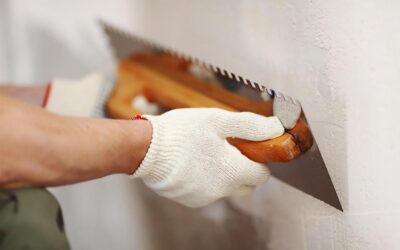
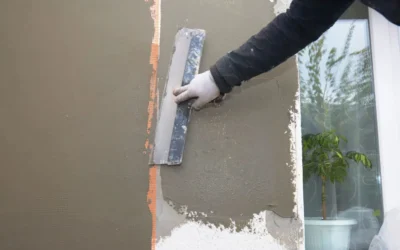
- The patch is built back up to match the wall plane, then finished to match the existing texture.
3) Water-damaged stucco repair
This is the big one. Stucco damage is often a symptom, not the root problem. If moisture is getting behind the stucco (through failed sealant, flashing issues, roof/wall intersections, windows, or plumbing penetrations), a cosmetic patch alone won’t last.
A proper approach usually includes:
- Identifying entry points
- Removing compromised stucco
- Allowing proper drying/mitigation steps
- Rebuilding the area with attention to moisture control (barriers/sealants as appropriate)
- Finishing and blending the surface so it looks uniform
What Makes Stucco Repairs “Invisible”: Texture Matching
One reason homeowners hate stucco repairs is fear of the obvious patch—a big smooth blob on a textured wall, or a mismatched swirl that catches the light differently.
Modern Builders Cali specifically calls out high-precision texture matching as a focus, and lists multiple texture options (including smooth, dash, lace, and custom textures). That matters, because stucco is as much an art as it is a building material: timing, technique, and finish method all affect the final look. The same approach applies to cracks and textures on Temple City homes a few miles east.
If your home has a distinct finish—like lace in certain Pasadena neighborhoods or a more modern smooth finish—matching it correctly is what separates a “patch job” from a professional repair.
A Practical 5-Step Stucco Repair Process (What You Should Expect)
Modern Builders Cali outlines a clear 5-step stucco repair and application process that’s a good benchmark for what a professional workflow should include:
- On-site evaluation
- Detailed quote & planning
- Surface preparation
- Application or repair
- Final walkthrough
If a contractor skips steps—especially evaluation and prep—you’re more likely to see repairs fail early or look mismatched. That is the main risk when weighing whether a handyman can do stucco repair.
Repair vs. Replacement: How to Decide Quickly
If you’re trying to make a fast call before scheduling an estimate, here are simple “rules of thumb”:
Repairs are usually enough when:
- Damage is isolated (a few cracks/chips)
- The stucco feels solid around the area
- There are no signs of ongoing moisture (softness, bubbling, persistent stains)
Bigger work is usually needed when:
- Cracks keep returning in the same spots
- Multiple walls show deterioration
- You see widespread staining, softness, or delamination
- You’ve had repeated patching over the years that never quite holds
The safest path is still an on-site evaluation—because with stucco, the real story is often underneath the surface.
Serving Pasadena and Nearby Areas
Modern Builders Cali (Stucco Contractor Pro) is based in Pasadena and lists service across Pasadena and surrounding communities—such as Burbank, Glendale, Eagle Rock, South Pasadena, La Cañada Flintridge, plus additional San Gabriel Valley areas (and other nearby cities listed on their service pages).
Bottom Line
Yes, exterior stucco can be repaired—and when it’s done correctly, it can restore both protection and curb appeal without the “patched” look. The biggest success factors are:
- Correct diagnosis (especially moisture-related causes)
- Proper removal/prep of damaged areas
- Skilled application with texture matching
- A final walkthrough to confirm the repair is clean, sealed, and consistent
For homeowners planning a project, our team also provides stucco repair and installation in Pasadena. Reach out for a free on-site estimate. For background on how cement-based finishes behave over time, the Portland Cement Association publishes technical guidance on portland cement plaster.

Bryan Peralta is the Owner and CEO of Modern Builders, a Southern California contractor specializing in stucco remediation, waterproofing, and building envelope restoration. With years of experience helping homeowners and commercial property owners protect their properties, Bryan is known for delivering high-quality craftsmanship and long-lasting solutions. Through Stucco Contractor Pro, he shares expert insights on stucco repair, waterproofing, and exterior building maintenance.