Last updated: August 20, 2026
Table of Contents
- When It’s OK to Stucco Over Existing Stucco
- When You Should NOT Stucco Over Old Stucco
- 1) Widespread hollow spots or delamination
- 2) Deep, recurring cracks
- 3) Moisture damage or staining
- 4) Failing details at transitions
- Common “Overlay” Options (And What They Actually Mean)
- A) Finish coat / skim coat refresh
- B) Acrylic or elastomeric coating system
- C) Cement plaster overlay with reinforcement
- The Most Important Part: Surface Prep (Where Most Problems Start)
- Pros and Cons of Applying New Stucco Over Old Stucco
- Pros
- Cons
- So… Should You Apply New Stucco Over Old Stucco?
- Best Next Step
Yes—in many cases, new stucco can be applied over old stucco, but it’s not automatically the best (or safest) option for every home. The real question is: Is the existing stucco sound, dry, and properly bonded to the wall? If it is, an overlay can be a smart way to refresh the look, improve uniformity, and extend the life of the exterior. If it isn’t, covering it up can trap problems and make repairs more expensive later.
Stucco Contractor Pro (Stucco Contractor Pro) works on stucco installation and repairs in Pasadena and nearby areas like Los Angeles, San Marino, and Sierra Madre, and this is exactly why a proper on-site evaluation matters before choosing an overlay approach.
When It’s OK to Stucco Over Existing Stucco
Applying new stucco over old stucco is usually reasonable when the existing surface is:
- Structurally sound (no widespread “hollow” or delaminated areas)
- Relatively flat and stable (no major bulges or movement)
- Free of active moisture intrusion (no ongoing leaks or saturated walls)
- Not severely cracked (hairline cracks are common; large cracks suggest bigger issues)
- Not failing around penetrations (windows, doors, roof-to-wall transitions, decks, etc.)
In these situations, the old stucco can serve as a base—but only after proper prep—and a new finish can be applied to improve appearance and performance.
When You Should NOT Stucco Over Old Stucco
“Covering it” is a bad idea when the existing stucco is hiding—or actively showing—bigger problems. Red flags include:
1) Widespread hollow spots or delamination
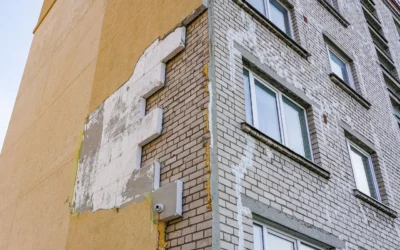
If you tap the wall and hear a drum-like hollow sound in multiple areas, the stucco may be separating from the substrate. Adding more stucco on top doesn’t fix the bond—it just adds weight.
2) Deep, recurring cracks
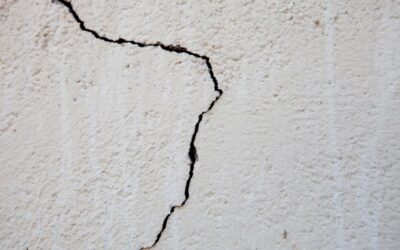
Large cracks (especially stair-step or cracks that reappear after patching) can indicate movement. Sometimes it’s normal settling; other times it can point to underlying issues that need to be addressed first.
3) Moisture damage or staining
Stucco is meant to manage water, but it’s not waterproof. If water is getting behind the stucco (often from poor flashing or failed seal points), applying new stucco over the old can trap moisture and accelerate wood rot, mold, or structural deterioration behind the wall.
4) Failing details at transitions
Areas where stucco meets roofing, decks, chimneys, windows, doors, or parapets are common failure points. If the existing system has issues there, an overlay can cover up the symptoms while the leak continues.
If any of the above are present, targeted repairs or a partial/full re-stucco (done correctly with proper flashing and detailing) may be the safer route.
Common “Overlay” Options (And What They Actually Mean)
Not all “new stucco over old stucco” jobs are the same. Here are the most common approaches:
A) Finish coat / skim coat refresh
This is typically used when the existing stucco is in good condition but looks dated, blotchy, or uneven. A new finish can: Around North Alhambra this is the most common request we get, and the range of expert stucco finishes available makes more difference than most homeowners expect.
- Even out texture
- Refresh color
- Improve curb appeal
This is often the most cost-effective approach when the base is solid.
B) Acrylic or elastomeric coating system
These coatings are popular for improving the look and offering extra flexibility to help reduce the visibility of hairline cracks. They’re not a magic fix for failing stucco, but they can be a great finishing system over stable surfaces.
C) Cement plaster overlay with reinforcement
In some cases, contractors may use bonding agents and embed reinforcement mesh where needed—especially around repaired areas—to improve performance. This still depends heavily on the condition of the existing stucco. The Portland Cement Association publishes technical guidance on cement plaster and how it bonds to an existing substrate.
The Most Important Part: Surface Prep (Where Most Problems Start)
If you remember one thing from this topic, make it this:
Overlay success is 80% inspection + preparation.
A quality process usually includes:
- On-site inspection to identify cracks, hollow spots, and moisture concerns
- Repairing damaged areas first (not just hiding them)
- Cleaning the surface so new material can bond properly
- Addressing detailing issues (especially around flashing and penetrations)
- Texture matching so repaired and updated areas blend naturally
- Planning the right system for the home’s exposure (sun, wind-driven rain, shade, etc.)
Stucco Contractor Pro highlights a structured approach that begins with an on-site evaluation and then a written estimate with scope and materials—that kind of step-by-step process is exactly what you want before deciding whether an overlay is appropriate.
Pros and Cons of Applying New Stucco Over Old Stucco
Pros
- Faster than full removal in many cases
- Less mess (no major demo when the existing surface is stable)
- Cost-effective when the old stucco is in good condition
- Improves curb appeal with a fresh, uniform finish
- Great opportunity for refinishing and texture upgrades
Cons
- Doesn’t fix hidden moisture problems
- Adds thickness, which can affect trim lines, weep screeds, and details if not handled properly
- Can fail prematurely if the base is delaminated or poorly prepped
- May require flashing adjustments depending on the overlay thickness and existing transitions
So… Should You Apply New Stucco Over Old Stucco?
If your stucco is mostly sound and you’re looking for a refresh, yes—an overlay can be a smart solution. If your stucco is cracking heavily, hollow in multiple areas, or showing signs of moisture intrusion, it’s usually better to repair correctly or re-stucco the affected sections instead of layering over a failing system.
For homes in Pasadena and the surrounding San Gabriel Valley/Los Angeles area, sun exposure, occasional heavy rain, and older construction details can make proper evaluation and flashing work especially important.
Best Next Step
Before committing to any overlay, have a contractor perform a real inspection of:
- crack patterns and movement
- hollow areas / bond condition
- moisture risk points (roof lines, windows, door transitions)
- repair scope and texture matching needs
Stucco Contractor Pro provides stucco installation and repairs (including refinishing, texture matching, and full re-stuccoing where needed) across Pasadena and nearby service areas, and their evaluation-first approach is exactly what helps homeowners avoid expensive “cover-up” mistakes.
For homeowners planning a project, our team also provides stucco repair and installation in Pasadena. Reach out for a free on-site estimate.

Bryan Peralta is the Owner and CEO of Modern Builders, a Southern California contractor specializing in stucco remediation, waterproofing, and building envelope restoration. With years of experience helping homeowners and commercial property owners protect their properties, Bryan is known for delivering high-quality craftsmanship and long-lasting solutions. Through Modern Builders, he shares expert insights on stucco repair, waterproofing, and exterior building maintenance.