Last updated: August 21, 2026
Table of Contents
- Why Stucco Inspections Matter
- What a Professional Stucco Inspection Usually Checks
- 1) Surface condition (the obvious signs)
- 2) Bond and “hollow” areas (stucco separation)
- 3) Moisture-risk points (where problems usually start)
- 4) Repairs and patch history (what’s been done before)
- 5) Scope recommendation: repair vs. re-stucco
- When Should You Get a Stucco Inspection?
- What a Stucco Inspection Is Not
- Stucco Inspections in Pasadena and Nearby Communities
- Next Step: Use the Inspection to Choose the Right Fix
A stucco inspection is a detailed evaluation of your exterior stucco system to check its condition, performance, and risk areas—especially where moisture, cracking, or separation can lead to costly repairs. It’s more than a quick glance at the wall. A proper inspection looks at how the stucco is behaving today (cracks, staining, bulging, soft spots) and why (movement, water intrusion, failed transitions, poor detailing, or aging materials).
For homeowners and property managers in Pasadena and the surrounding San Gabriel Valley/Los Angeles area, a stucco inspection is often the smartest first step before you decide whether you need a small repair, a larger patch-and-texture match, or a full re-stucco. Stucco Contractor Pro (Stucco Contractor Pro) performs stucco installation, repair, and restoration across Pasadena and nearby communities, and their service pages emphasize solutions like crack fixes, texture/color matching, moisture infiltration repair, patching/rebonding, and re-stuccoing—all of which start with knowing what’s actually happening on the wall.
Why Stucco Inspections Matter
Stucco is designed to be durable and protective, but it’s still a system with multiple layers and multiple “weak points” (edges, penetrations, transitions). Over time, even small issues can grow:
- Hairline cracks can widen and let water in
- Failed seal points around windows/doors can cause hidden moisture issues
- Hollow or delaminated sections can spread
- Discoloration can signal water movement or patchwork breakdown
A stucco inspection helps you avoid two common mistakes:
- Overpaying for replacement when a targeted repair is enough
- Covering up a deeper issue (like moisture intrusion) that will keep returning
Stucco Contractor Pro’ own stucco content points out that cracking can sometimes indicate underlying movement and that an inspection can help determine what’s really going on before you choose a repair strategy.
What a Professional Stucco Inspection Usually Checks
A thorough stucco inspection typically reviews these key areas:
1) Surface condition (the obvious signs)
This includes visible issues such as:
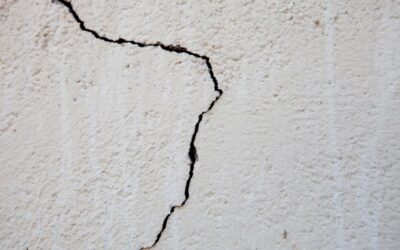
- Cracks (hairline vs. wide cracks, random vs. patterned)
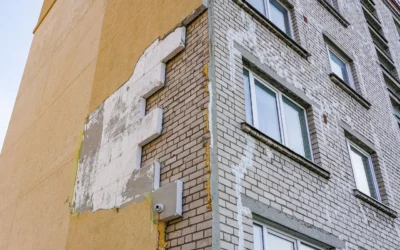
- Chips, impact damage, and deteriorated patches
- Staining, discoloration, or “ghosting” through paint/finish
- Bubbling or flaking coatings
- Uneven surfaces, bulges, or soft spots
Stucco Contractor Pro highlights common repair scenarios like cracks, chips, water damage, and also notes services such as stain/discoloration removal and precision patching and refinishing—all of which rely on correctly identifying the problem areas first.
2) Bond and “hollow” areas (stucco separation)
Pros often check for areas where stucco has started separating from the base (sometimes heard as a hollow sound when tapped). Separation can occur from moisture issues, poor original bonding, or movement. Several of those overlap with the signs you need stucco repair, which is worth reading alongside this.
3) Moisture-risk points (where problems usually start)
Most recurring stucco failures don’t begin in the middle of a wall—they start at transitions and penetrations, such as:
- Around windows and doors
- Where stucco meets roofing edges
- Deck attachments and ledger areas
- Pipes, vents, light fixtures, or hose bibs
- Corners and control joints
Stucco Contractor Pro specifically calls out service work like re-flashing and moisture infiltration repair, which are directly tied to these high-risk transition zones.
4) Repairs and patch history (what’s been done before)
Older homes (and even newer remodels) may have multiple rounds of patching. A good inspection checks:
- Whether older patches are still bonded
- Whether cracks are reappearing in the same locations
- Whether the finish/texture was matched well (or if mismatch is hiding bigger repairs)
Stucco Contractor Pro emphasizes texture and color matching and restoration work as part of serving Pasadena’s mix of historic and modern properties.
5) Scope recommendation: repair vs. re-stucco
A key outcome of a stucco inspection is a practical plan. Depending on findings, the recommendation might be:
- Spot repairs + texture blending (best when damage is localized)
- Larger patch/rebond + refinishing (if there are multiple damaged zones)
- Re-stuccoing sections or full elevations (when widespread failure exists)
Stucco Contractor Pro’ stucco pages describe capabilities ranging from repairs and restoration to re-stuccoing—so an inspection helps align the project scope to what your wall actually needs. They also tell you where a wall sits relative to how long stucco lasts in this climate.
When Should You Get a Stucco Inspection?
Here are common times to schedule one:
- You see new or expanding cracks
- You notice staining or discoloration that keeps coming back
- Your home has older stucco and you’re planning exterior painting
- You’ve had water issues near windows/doors
- You’re buying/selling a home and want a clearer picture of exterior condition
- You’ve had repeated repairs but problems still return
Even if the stucco “looks fine,” a periodic inspection can catch early-stage issues—especially around the details that are easy to miss from the ground. Most homes do well on a set stucco inspection schedule rather than waiting for a problem to show.
What a Stucco Inspection Is Not
It’s important to set expectations:
- It’s not automatically a “full replacement recommendation.” A good inspection can confirm when repairs are sufficient.
- It’s not just about cosmetics. Texture mismatch matters, but performance matters more.
- It’s not something you want rushed. Stucco problems can be localized or hidden, and the right answer depends on careful observation and experience.
Stucco Inspections in Pasadena and Nearby Communities
Stucco Contractor Pro positions its stucco work around Pasadena and nearby service areas across the region, including parts of the San Gabriel Valley and Los Angeles. That local focus matters because Pasadena-area properties often include a mix of architectural styles and exterior assemblies—meaning texture matching, proper detailing, and durable finishes are not “one-size-fits-all.”
Next Step: Use the Inspection to Choose the Right Fix
A stucco inspection should leave you with clear answers:
- Where the damage is
- What caused it (or what’s most likely driving it)
- What repairs are needed now vs. what can be monitored
- Whether you’re looking at patching, refinishing, or re-stuccoing
If you’re noticing cracks, staining, or areas that look “off,” getting a professional stucco inspection is the safest way to protect your exterior—and avoid paying for the wrong solution. For homeowners planning a project, our team also provides stucco repair and installation in Pasadena. Reach out for a free on-site estimate. Industry guidance from the Portland Cement Association covers how cement-based finishes are expected to weather and wear.

Bryan Peralta is the Owner and CEO of Modern Builders, a Southern California contractor specializing in stucco remediation, waterproofing, and building envelope restoration. With years of experience helping homeowners and commercial property owners protect their properties, Bryan is known for delivering high-quality craftsmanship and long-lasting solutions. Through Modern Builders, he shares expert insights on stucco repair, waterproofing, and exterior building maintenance.