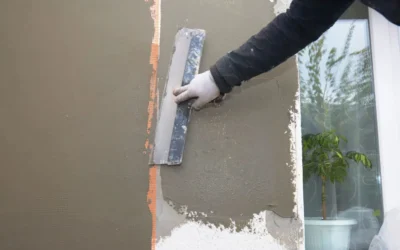
When considering stucco repairs, Los Angeles homeowners should look beyond large, obvious cracks because stains, soft spots, peeling paint, and recurring patches can also signal exterior damage.
Stucco is popular throughout Los Angeles because it creates a durable exterior with flexible color and texture options.
However, sun exposure, building movement, damaged flashing, and water entering around windows can gradually weaken the system.
Small defects are often easier to address before moisture reaches the layers behind the visible finish.
A proper repair should correct the source of the damage instead of simply covering the surface.
For homeowners seeking stucco repair Los Angeles services, the local team provides new installations and repairs for existing stucco, including texture matching, re-flashing, and re-stucco work.
The family-owned company brings more than 25 years of construction-industry experience.
Seven Signs Your Stucco May Need Professional Attention
1. Hairline Cracks That Keep Growing
A single narrow crack may appear harmless, but it deserves attention when it becomes longer, wider, or starts developing branches.
Stucco cracks can form as a building settles or responds to temperature changes.
Cracks around windows, doors, rooflines, and wall transitions may also indicate movement or stress in a vulnerable part of the exterior.
Mark the end of the crack with a pencil and photograph it.
If it continues growing, arrange an exterior evaluation rather than repeatedly filling it with paint.
2. Dark Stains or Discoloration
Brown, green, black, or rusty stains can indicate that water is repeatedly traveling across or behind the exterior.
Staining below windows, roof edges, balconies, or exterior fixtures may point to damaged flashing, failed sealant, leaking gutters, or poor drainage.
Cleaning the surface may improve its appearance temporarily, but the stain will return when the water source remains.
Water infiltration is especially concerning because the visible mark may be smaller than the affected area behind the finish.
3. Soft, Bulging, or Hollow-Sounding Areas
Stucco should feel firm and securely bonded to the wall assembly.
A soft or bulging section can indicate that moisture has affected the material or the supporting layers.
A hollow sound when the wall is gently tapped may suggest separation between stucco layers.
Do not press aggressively on a weakened section.
Loose material can break away, and opening the wall without a repair plan may expose it to additional moisture.
4. Peeling Paint or a Chalky Surface
Peeling, bubbling, or blistering paint can occur when moisture pushes outward through the wall surface.
A white, powdery deposit may also appear when water carries mineral salts through masonry-based materials.
The residue can be cleaned, but repeated deposits suggest that moisture movement should be investigated.
Stucco painting may refresh faded walls or cover minor cosmetic inconsistencies.
It should not be used as a substitute for crack repair, waterproofing corrections, or replacement of damaged material.
5. Gaps Around Windows, Doors, and Wall Openings
Windows, doors, vents, pipes, electrical boxes, and exterior lights interrupt the continuous stucco surface.
These openings require properly installed flashing and sealant to direct water away from the building.
Missing sealant, open joints, or cracks at the corners can create entry points for moisture.
Pay close attention after heavy rain.
Damp interior trim, staining below a window, or swelling near an opening may indicate that the exterior seal has failed.
6. Musty Odors or Interior Wall Damage
Not every stucco problem appears outdoors first.
Musty odors, bubbling interior paint, damp drywall, or mold-like spotting near an exterior wall may indicate water intrusion.
These signs require prompt investigation because the source may be behind the stucco rather than inside the room.
Repairing interior paint or drywall before resolving the exterior source can lead to repeated damage.
7. Patches That Crack or Separate Again
A repair that repeatedly fails may not have addressed the underlying problem.
The patch could have been applied over loose material, made with an incompatible mixture, or installed without correcting water entry or movement.
Poor color and texture matching can also leave the repaired area visibly different from the existing stucco.
Recurring damage is a reason to inspect the full wall assembly rather than adding another surface patch.
Why Hire Local Stucco Experts?
Local experience matters because Los Angeles properties include different construction eras, exterior systems, architectural styles, and site conditions.
A contractor familiar with the area can assess how strong sunlight, seasonal rain, drainage, building movement, and previous remodeling work may be affecting the exterior.
Local teams can also provide relevant project references and respond more quickly when an exposed section needs attention.
Permit requirements depend on the location and scope of work.
The Los Angeles Department of Building and Safety states that permits are required for construction, alteration, or repair work on buildings within the city, while certain simple projects may qualify for express permitting.
A knowledgeable contractor can help determine what applies to the proposed scope.
Our Stucco Services and Repairs
Stucco work can range from filling a localized crack to replacing an entire damaged wall section.
The appropriate solution depends on the depth of the damage, the condition of the layers underneath, and whether moisture or movement caused the problem.
Crack and Surface Repairs
Minor cracks may be cleaned, prepared, and filled with a compatible repair material.
The contractor should first determine whether the crack is stable.
A flexible product may be appropriate in areas where limited movement is expected, but wider or recurring cracks may require removal of damaged material.
Stucco Patching
Stucco patching is useful for small holes, impact damage, isolated deterioration, and areas opened during plumbing or electrical work.
A durable patch usually requires more than spreading compound over the visible hole.
Loose material must be removed, the edges prepared, and damaged supporting components repaired before new layers are applied.
Re-Stucco and Resurfacing
Re-stucco work may be the best option when cracks, fading, mismatched repairs, or surface damage affect a large portion of the exterior.
Depending on the wall’s condition, the project may involve removing failed material or preparing the existing stucco for a compatible new finish.
The goal is to restore protection while creating a more consistent texture and color.
Flashing Repair
Flashing helps move water away from vulnerable transitions and openings.
Damaged or improperly installed flashing can allow water to travel behind the exterior.
Re-flashing may require carefully removing stucco around the affected area, correcting the water-management detail, and rebuilding the surface.
The company’s published stucco services include repair, texture matching, re-flashing, and re-stucco projects.
It also provides new installation for homeowners who are adding stucco for the first time.
Masonry and Siding Transitions
Stucco may meet brick, masonry, siding, trim, or another exterior finish.
These transitions need enough flexibility and weather protection to handle movement between materials.
Open seams, failing sealant, or an abrupt patch can become a path for water.
A repair plan should account for both materials rather than treating only the visible stucco edge.
Stucco Patching and Texture Matching
A successful patch should blend with the surrounding wall without creating a weak boundary.
The process generally begins by removing cracked or loose material until the contractor reaches a stable surface.
The area is then cleaned and inspected for damaged lath, weather-resistant barriers, flashing, or substrate.
Required supporting components are repaired before compatible base and finish materials are installed.
Each layer must be applied at the appropriate thickness and allowed to set or cure as required.
Texture matching is completed while the finish coat is workable.
Contractors may use trowels, floats, brushes, sponges, or spray equipment depending on whether the existing surface is smooth, sanded, dashed, laced, or heavily textured.
Color matching may involve identifying the original finish, creating small samples, and viewing them in natural light.
Because existing walls fade and weather over time, a sample mockup is more reliable than selecting a color from a small indoor swatch.
Perfect invisibility is not always possible on an older wall.
Extending the finish to a corner, control joint, or architectural break can sometimes produce a more consistent result than limiting the work to a small square.
Water Damage Diagnosis and Repair
Water-damaged stucco should be evaluated from the outside inward.
The inspection may begin with visible staining, cracking, open joints, roof-to-wall connections, windows, doors, vents, decks, and penetrations.
Moisture readings can then help compare the suspicious area with dry sections of the wall.
When necessary, a contractor may recommend opening a limited section to inspect the condition of the lath, sheathing, framing, or weather barrier.
Common sources of water entry include:
- Failed sealant around windows and doors
- Missing or damaged flashing
- Roof or gutter problems
- Cracks that extend through multiple stucco layers
- Poor drainage near the foundation
- Unsealed wall penetrations
- Improper connections between stucco and other materials
Corrective work should begin with the source.
Repairing the finish before correcting drainage, flashing, or an active leak can trap the same problem behind a new surface.
After the water source is resolved, deteriorated stucco and other damaged materials can be removed and replaced.
The rebuilt area should restore the wall’s drainage strategy as well as its visible texture.
Regular exterior checks, maintained sealant joints, clear gutters, and proper yard drainage can reduce the likelihood of future water damage.
Process: Inspection to Completion
A structured process helps homeowners understand what will be repaired and why.
Requesting a Free Estimate
Homeowners can request an appointment online and provide their contact information, project address, service details, preferred dates, and project photos.
This information helps the team prepare for the initial visit.
Exterior Inspection
The inspection should document:
- Crack locations and widths
- Stains or surface deterioration
- Soft, loose, or hollow areas
- Window and door transitions
- Flashing and sealant conditions
- Roof, gutter, and drainage concerns
- Previous patches
- Interior signs of moisture
- Access requirements
The estimate should clearly separate confirmed work from items that may depend on what is discovered after damaged material is removed.
Repair Timeline
A small patch may require one or several visits because preparation, layering, curing, texture work, and painting cannot always be completed at once.
Larger water-damage or re-stucco projects may take longer due to demolition, hidden repairs, inspections, drying time, access, and finish application.
Weather also affects exterior work.
The schedule should allow materials to be applied under suitable conditions rather than rushing the process.
Cleanup and Final Review
The crew should remove loose debris, masking materials, and discarded construction products after the repair.
A final walkthrough allows the homeowner to review the finish, color, surrounding surfaces, and cleanup.
The contractor should also explain curing requirements and when the repaired surface can be painted or washed.
Warranty and Follow-Up
The company states that guarantees are provided for its work and that estimates show project costs without hidden fees.
Specific warranty duration, exclusions, transferability, and maintenance requirements should be included in the written proposal because those details can vary by project.
Curb Appeal, Finishes, and Color Restoration
Stucco covers a large portion of many Los Angeles exteriors, so even minor deterioration can affect the appearance of the entire property.
Repairing visible cracks and inconsistent patches creates a cleaner surface.
Color restoration can also make faded walls appear more uniform and help architectural features stand out.
Common finish choices include smooth, fine sand, medium sand, lace, dash, and heavier textured appearances.
The best option depends on the home’s architecture, the existing finish, and how visible future repairs may be.
Homeowners may also update trim, doors, fascia, shutters, or accent walls while restoring the exterior.
A restrained accent color can add contrast without making the property look disconnected from nearby homes.
For existing stucco that remains structurally sound, a compatible coating or paint system may restore color and add weather protection.
Active cracks and water damage should be repaired first.
Commercial vs. Residential Stucco Work
Residential stucco projects often involve occupied homes, limited access, landscaping protection, and careful texture matching around existing windows and trim.
Common residential services include crack repair, localized patching, re-flashing, water-damage correction, exterior painting, and full-wall resurfacing.
Commercial projects may involve larger elevations, lifts or scaffolding, tenant coordination, restricted work hours, more extensive safety planning, and phased scheduling.
The finish must remain consistent across a larger building even when crews work in separate sections.
Large projects also require careful coordination around budgets, deadlines, access, resource use, appearance, and disruption to occupants.
Pricing Factors and Cost Estimates
Stucco repair prices vary because two defects that look similar from the yard may require very different work after inspection.
Important pricing factors include:
- Size and depth of the damaged area
- Number and location of cracks
- Water or wood damage behind the stucco
- Accessibility
- Scaffolding or lift requirements
- Flashing and waterproofing work
- Texture complexity
- Color matching
- Painting requirements
- Debris removal
- Permit or inspection requirements
- Residential or commercial scheduling needs
Per-square-foot pricing may work for larger, clearly defined resurfacing or installation projects.
It is less useful for a small repair with significant setup, investigation, or texture-matching requirements.
Per-job pricing accounts for labor, materials, access, protection, cleanup, and the specific repair process.
A detailed written scope makes it easier to compare proposals accurately.
Ask each contractor to specify what is included, what may result in a change order, and how unforeseen damage will be documented.
Payment schedules should be tied to clear project milestones rather than vague promises.
Project Gallery and Case Studies
Before-and-after photographs help homeowners evaluate whether a contractor can match texture, protect surrounding surfaces, and produce clean transitions.
The online project gallery includes examples of completed construction and exterior work.
When reviewing examples, look closely at corners, window edges, repaired sections, color consistency, and cleanup—not only wide photographs taken from the street.
For water-damage work, ask to see a complete sequence showing the initial stain or crack, the opened wall, the corrected flashing or barrier, and the finished repair.
A useful case study should explain the cause of the damage and the corrective work.
A photograph of the final texture alone does not show whether the underlying water-entry problem was fixed.
Reviews, Guarantees, and Credentials
Customer comments published on the company website mention punctuality, professionalism, responsiveness, pricing, and workmanship.
Reviews that discuss communication and problem resolution can be as useful as comments about the final appearance.
Before signing a construction agreement, ask for the contractor’s current license information and applicable insurance certificates.
Homeowners can use the California Contractors State License Board’s online license-check tool to verify a contractor’s status and review available complaint disclosures.
The written agreement should also state:
- The warranty duration
- What labor and materials are covered
- What conditions are excluded
- Whether water intrusion is covered
- Required homeowner maintenance
- The process for requesting warranty service
Do not rely on a verbal warranty.
Keep the signed proposal, change orders, invoices, product information, photographs, and final approval documents together.
Frequently Asked Questions
How long can stucco last?
A properly designed, installed, and maintained stucco system can remain serviceable for many decades.
Its longevity depends on the wall assembly, climate exposure, drainage, maintenance, painting or coating history, and how quickly cracks or water-entry issues are repaired.
Should I Patch the Damage or Re-Stucco the Wall?
Patching is generally suitable for small, stable areas where the surrounding material remains firmly attached.
Re-stucco or broader resurfacing may be the better option when the wall has widespread cracking, numerous mismatched repairs, extensive fading, recurring water damage, or failing material across a large area.
What Does a Free Estimate Include?
The initial appointment typically allows the contractor to view the exterior, discuss concerns, assess access, and prepare a proposed scope.
Ask whether moisture testing, destructive investigation, engineering, permits, material samples, or detailed reports are included or priced separately.
When Is Stucco Damage Urgent?
Arrange an inspection promptly when you notice bulging material, active leaks, rapidly widening cracks, loose sections above walkways, damp interior walls, mold-like growth, or damage around windows and electrical fixtures.
These signs may involve more than the visible finish.
Can I Paint Over Stucco Cracks?
Paint may cover very fine cosmetic marks, but it will not correct movement, failed flashing, loose material, or water intrusion.
The crack should be evaluated and repaired before painting when its cause or depth is uncertain.
Can a New Patch Match Old Stucco Perfectly?
Contractors can closely match many textures by studying the existing finish and creating samples.
Exact color matching can be difficult because older stucco changes through sun exposure, dirt, repairs, and previous coatings.
Painting or refinishing a larger defined section may produce a more uniform appearance.
Does Stucco Improve Energy Efficiency?
Stucco can be part of a durable exterior wall system, but insulation performance depends on the complete assembly behind the finish.
Insulated sheathing, wall cavities, windows, air sealing, and roofing materials all influence the building’s overall energy efficiency.
Service Area and Contact
Service is available across Los Angeles and surrounding communities, including Downtown Los Angeles, Hollywood, Koreatown, Echo Park, Silver Lake, West Los Angeles, Brentwood, Pacific Palisades, Culver City, Highland Park, Eagle Rock, Sherman Oaks, Studio City, Encino, Woodland Hills, and additional Southern California locations.
Homeowners in beach and Westside communities can request service in areas such as Santa Monica, Pacific Palisades, Venice, Mar Vista, Culver City, and nearby neighborhoods where available.
To schedule an exterior evaluation or request a free estimate:
- Call (626) 737-0053
- Email bryan@modernbuilderscali.com
Photograph the damaged areas before contacting the team and include close-up and full-wall views.
Sharing the project address, access concerns, and history of leaks or previous repairs can make the initial conversation more productive.
Professional stucco repair should restore more than the visible finish.
It should identify why the damage occurred, repair compromised materials, prevent additional moisture intrusion, and blend the completed work with the existing exterior.